
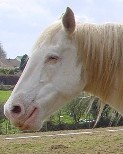
Most animals readily accept the treatment, and find it a relaxing experience. Signs such as sighing and yawning are often observed during the treatment process in both horses and dogs. Horses also are often seen licking and chewing during treatment.
Usually the animal will seem tired after the treatment. However be aware that not all animals respond the same, and they may respond differently to each subsequent treatment. They may therefore be more lively than normal following the treatment.
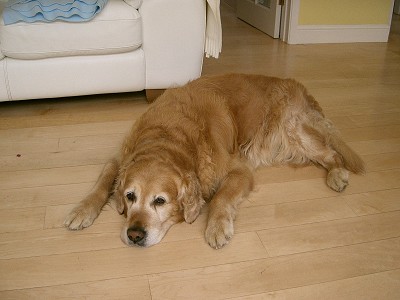
Your horse or dog may seem more stiff and sore than usual in the first 24-48 hours following a treatment. This is just due to the body adjusting to the treatment, but if you have any concerns you should contact your McTimoney practitioner or vet for advice.
After treatment, it is beneficial to give the animal a period of rest, followed by reduced exercise over the subsequent days to allow the body to adjust to the changes that have occurred during the treatment. However, in most cases, they can be back to normal exercise levels within a week.
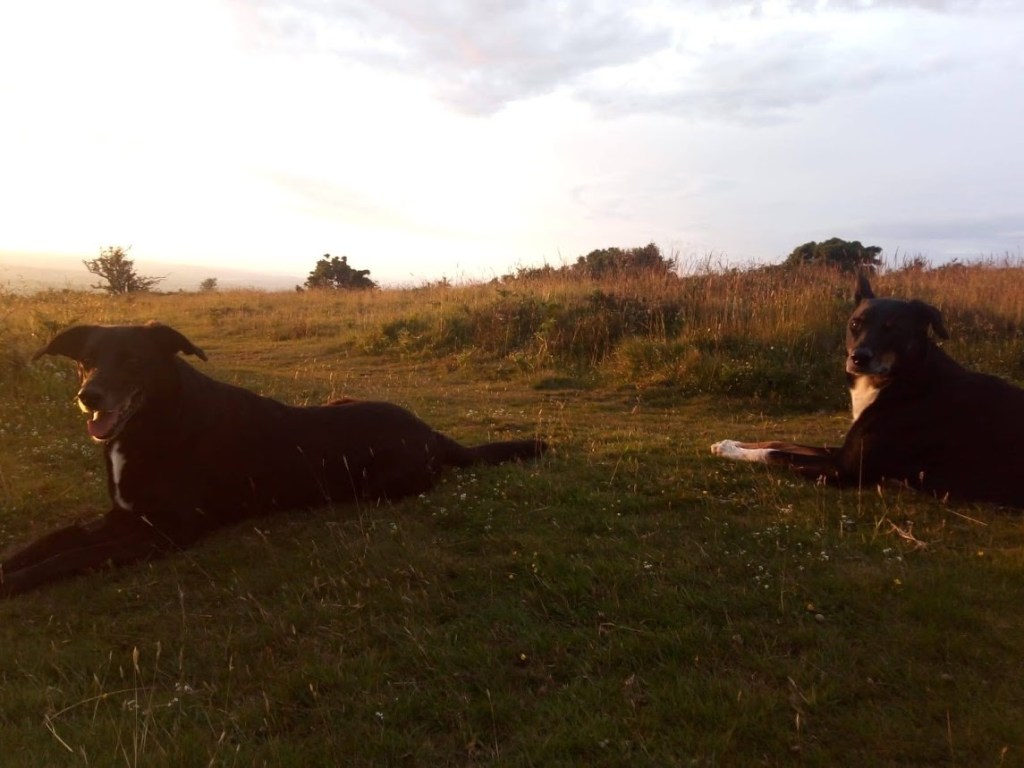
Your animal may be very thirsty following the treatment, so be sure to supply plenty of fresh water. Release of muscle spasm involves the body releasing natural toxins into the blood stream, and the body responds by flushing them out. Hence you may also find they may urinate more frequently in the hours following the treatment.

It is important to realise that healing is a process which takes time, and the treatment does not instantly “fix” the problem. It is usual for more than one treatment to be required especially if there has been a long-standing issue which has necessitated the treatment in the first place. Two to three treatments will usually suffice, following which a maintenance program is advised to help prevent problems returning, e.g. a six or twelve month check up. The number and frequency of treatments required will depend on the individual animal as factors such as the animal’s age and general health have a bearing on how they respond. Animals which do not seem to have outwardly visible symptoms may still benefit from a treatment, and could be spared from symptoms developing.
 Eaglestone Animal Therapy