
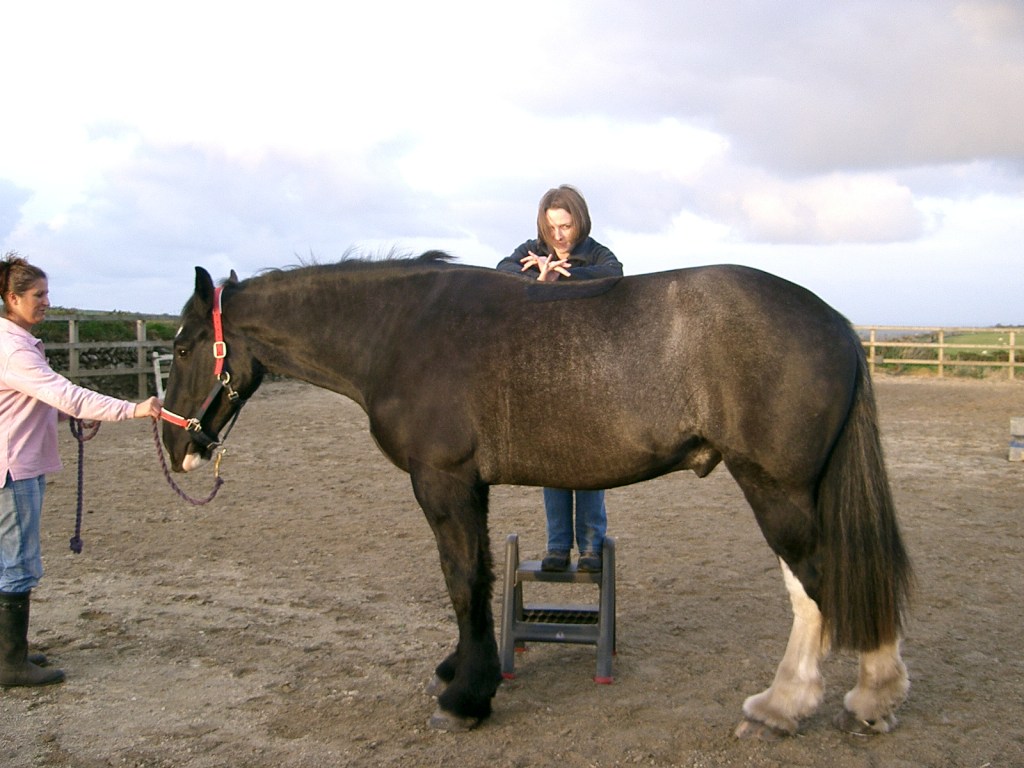
The McTimoney Technique is named after the man who developed it, John McTimoney. He trained and qualified as a chiropractor for humans in 1950, and subsequently devised his own technique, both for humans and animals, based upon what he had learned. In the 1970s, he began to teach his techniques to students in order to ensure the survival of his work.
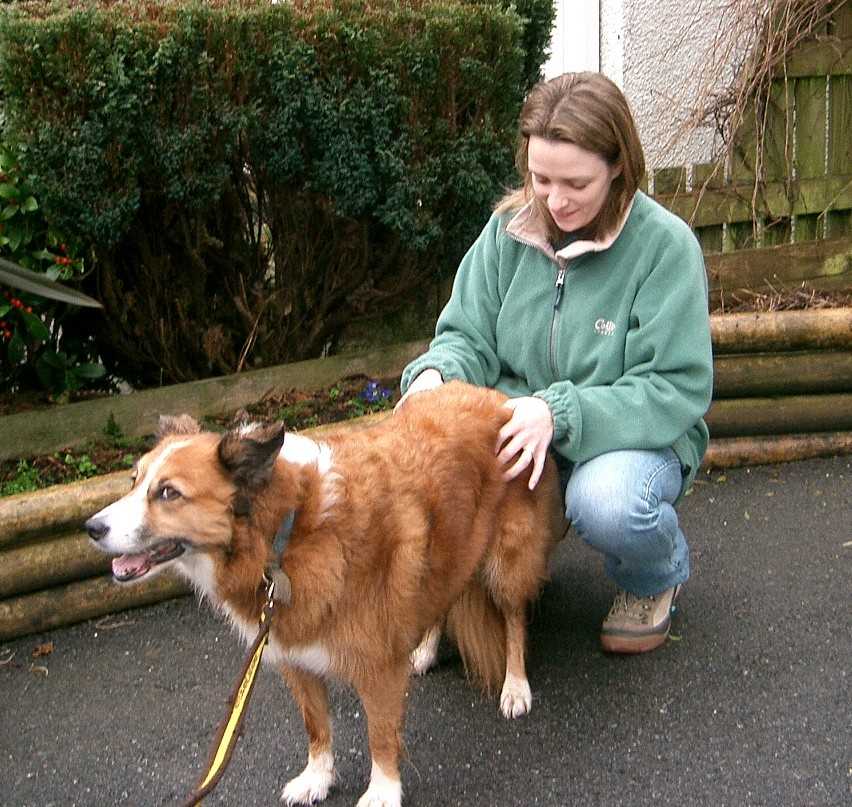
The treatment involves examining the alignment of the joints of the spine, pelvis and limbs. Bones may become slightly out of alignment with their neighbours due to muscle spasm, and this also influences the range of motion that the joint is able to move within. Any problem areas are treated with adjustments (rapid and precise thrusts) to correct the misalignment and reduce any muscle spasm in the associated area. Assessment and treatment is done by the practitioner using only their hands.
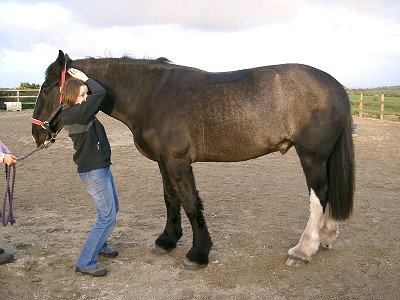
The theory behind the treatment is that minor misalignments may impinge upon nerves and cause pain and/or loss of function to the areas they supply. The treatment aims to relieve any impingement caused by the misalignment by returning the bone to its correct position. This allows full and correct function to be restored to the areas supplied by those nerves, reducing pain and re-balancing and re-aligning the whole body. It allows the body to function correctly again, both biomechanically and neurologically.
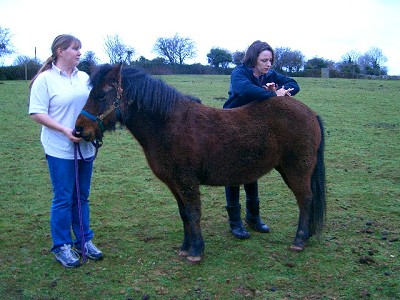
The technique is gentle and non-invasive, and is generally readily accepted by animals. Being a holistic treatment, the whole body is treated, rather than just problem areas and the animal’s history, conformation and gait are also considered. It can be used to benefit the health and mobilty of almost all horses and dogs, from family pets and childrens ponies to top level competition animals.
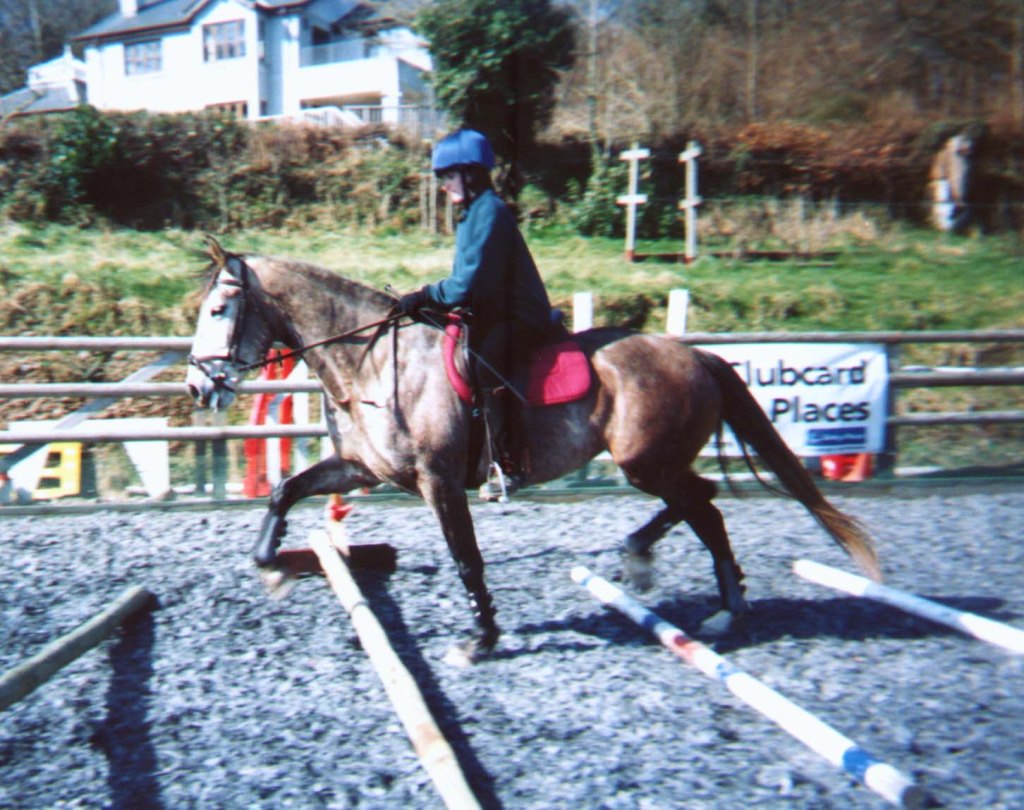
Symptoms which suggest an animal may benefit from the treatment include pain, stiffness, loss of mobility, a decline in their performance and sometimes changes in their behaviour. Many owners regularly have their animals treated in order to maintain their flexibility and to prevent issues from developing.
Before treatment can take place, the approval of the animal’s Veterinary Surgeon must be obtained. This is a legal requirement. The treatment of animals is currently regulated under the Veterinary Act 1966, making it illegal for any person to treat an animal unless they are either a Veterinary Surgeon or a recognised paraprofessional with Veterinary consent to treat the animal.
 Eaglestone Animal Therapy